
A sleep study can cost anywhere from a few hundred pounds to a few thousand in Australia, depending on the type of test, where it is done, and whether Medicare or private health insurance applies. For most people, the fastest way to estimate cost is to first confirm the study type, then ask the clinic for the item numbers and the total out of pocket figure in writing.
This guide answers the most common cost questions Australians have, without the fluff, so they can budget confidently.
What is the typical sleep study cost in Australia?
When considering how much does a sleep study cost, the typical sleep study cost in Australia ranges from about $150 to $2,500+ AUD. At-home tests are usually cheaper (averaging $150 to $600) than overnight in-lab studies (which cost $500 to $2,000+). Eligible patients can also access public hospital pathways or Medicare bulk-billing to reduce out-of-pocket expenses to $0, though public pathways often involve longer waiting times.
For an accurate quote, they should ask whether the fee includes the report, specialist interpretation, and any follow up appointment. Those add ons are where prices can shift quickly.
What types of sleep studies affect the price most?
The biggest driver of sleep study cost is the study type and complexity. In Australia, common options include home sleep apnoea testing, in lab polysomnography, and split night studies where diagnosis and CPAP titration happen in one night.
More sensors, more staff time, and more specialist reporting generally means a higher fee. If they are unsure, the referring GP or sleep physician can usually confirm what level of study is being requested.
How much does a home sleep study cost in Australia?
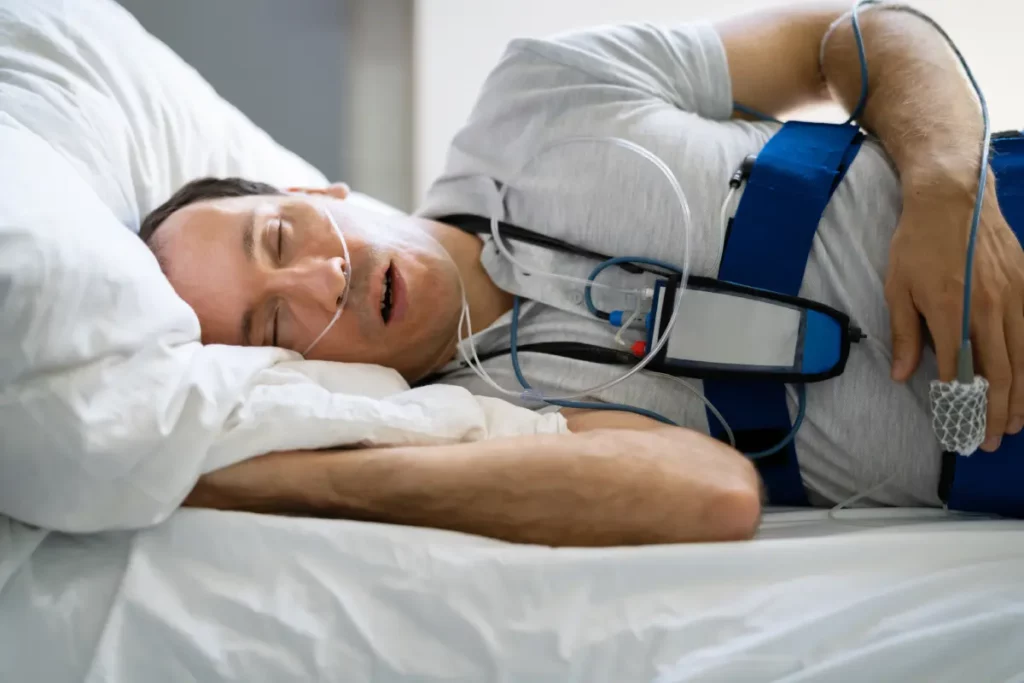
A home test is often the lowest sleep study cost option, commonly around $300 to $800 out of pocket, depending on the provider and inclusions. Some clinics bundle the device hire, analysis, and report, while others charge separately.
They should check whether the quote includes delivery or pick up, technical support, and a copy of results sent to their GP. A low advertised fee can rise once those essentials are added.
How much does an in lab overnight sleep study cost in Australia?
An in lab polysomnography is usually the highest sleep study cost, often around $1,200 to $3,000+ for a single night in a private sleep lab. This is because it involves overnight staffing, a controlled environment, and more detailed monitoring.
If they need additional nights or a CPAP titration study, costs can increase. They should ask if the lab fee includes the sleep physician’s reporting or if that is billed separately.
Is the sleep study cost covered by Medicare?
Medicare can cover part of the sleep study cost in Australia, but it depends on eligibility, the provider, and whether the service is billed under relevant Medicare item numbers. Many people still have an out of pocket gap even when Medicare contributes.
They should request the clinic’s Medicare item numbers upfront and ask for a written estimate of the gap. If the clinic bulk bills, they should confirm exactly what is bulk billed and what is not.
Can private health insurance reduce the sleep study cost?
Private health insurance may reduce sleep study costs when the study is done in a private hospital setting and the policy covers hospital admissions and sleep studies. Extras cover may help with related appointments, but it often does not pay for the study itself unless it is treated as hospital.
They should call their insurer and ask about waiting periods, excess, and whether the sleep lab is considered an in-hospital or outpatient service. The answer can change their real cost dramatically. Check out more about private hospitals in Australia.
What hidden fees can increase the sleep study cost?
Hidden fees can raise the final sleep study cost beyond the headline price. Common add-ons include the sleep physician consultation, report interpretation, administration fees, and CPAP trial or hire if needed.
They should also ask whether follow-up visits are included, and whether results are sent to their GP at no extra charge. A single missing inclusion can turn a quote into a larger bill.
Does the state or city change the sleep study cost in Australia?
Yes, sleep study costs can vary by location due to provider pricing, access to public services, and local competition. Metro areas like Sydney, Melbourne, Brisbane, Perth, and Adelaide often have more private providers, while regional areas may have fewer options and different pricing.
If they can travel, it may be worth comparing quotes across nearby suburbs or neighbouring regions. They should still prioritise accredited providers and clear reporting over the cheapest listing.

How long are public hospital waits, and does that lower the sleep study cost?
Public pathways can reduce sleep study costs, sometimes significantly, but wait times can be long and vary by country and hospital network. For people with severe symptoms, delays can be frustrating, especially if daytime sleepiness affects driving or work safety.
They should ask their GP whether symptoms suggest urgent assessment, and whether a home test through a private clinic could provide faster answers. Sometimes paying more saves months of uncertainty.
What questions should they ask a clinic to get an accurate quote?
To pin down sleep study costs, they should ask for an itemised quote in writing. A good clinic will explain inclusions clearly and answer questions without rushing.
They can use this checklist:
- What type of study is recommended, and why?
- What is the total fee, and what is the expected out-of-pocket gap?
- Are Medicare item numbers being used, and are they eligible?
- Does the price include the report and specialist interpretation?
- Are follow-up appointments included, and if not, what do they cost?
Is it cheaper to do a sleep study through a GP referral?
A referral does not automatically reduce sleep study costs, but it can be essential for Medicare rebates and for accessing public services. Many private clinics also require a GP referral before booking.
They should ask the GP whether a home test is appropriate first, or whether symptoms suggest a full in-lab study. Choosing the right test early can prevent paying twice for two different studies.
What if they need CPAP, will that change the total cost?
Yes, CPAP can change the total cost well beyond the sleep study cost itself. If obstructive sleep apnoea is diagnosed, they may need CPAP titration, equipment purchase or rental, masks, and follow-up support.
They should ask the clinic what typically happens after diagnosis and what options exist for trials. It is also worth confirming whether their insurer offers any CPAP-related benefits under extras.
How can they lower sleep study cost without risking poor results?
They can lower sleep study cost by comparing providers, confirming Medicare eligibility, and requesting an all-inclusive quote. In many cases, a home study is a safe first step for suspected sleep apnoea and is often cheaper.
They should avoid choosing purely on price if reporting quality is unclear. A study that is poorly set up or interpreted can lead to repeat testing, which is usually the most expensive outcome.
What is the simplest way to estimate their sleep study cost today?
The simplest approach is to identify the study type, request item numbers, and ask for the total out-of-pocket figure in writing. That gives a practical estimate of sleep study cost before they commit.
If they are comparing two clinics, they should compare like-for-like inclusions, not just the advertised starting price. In Australia, clarity upfront is what stops surprise bills later.
What is the short version takeaway on sleep study cost?
In Australia, sleep study cost is usually lowest for home testing and highest for in-lab overnight studies, with Medicare and insurance sometimes reducing the gap. The real number depends on inclusions like reporting and follow-up, not just the test itself.
If they want a confident budget, they should ask for item numbers and a written, itemised quote, then confirm rebates with Medicare and their insurer before booking.
Related : What Nobody Explains About Sleep Apnea Test Bulk Billed
FAQs (Frequently Asked Questions)
What is the typical cost range for a sleep study in Australia?
The typical sleep study cost in Australia ranges from about £300 to over £3,000. Home sleep tests tend to be cheaper than overnight in-lab studies, and public hospital options may reduce costs but often involve longer waiting times.
How does the type of sleep study affect the overall cost?
The type and complexity of the sleep study significantly influence the cost. Common options include home sleep apnoea testing, in-lab polysomnography, and split night studies. More sensors, staff involvement, and specialist reporting generally increase the fee.
Are home sleep studies more affordable than in-lab overnight studies?
Yes, home sleep studies are usually the lowest cost option, typically costing between $300 and $800 out of pocket. In contrast, in-lab polysomnography can range from $1,200 to over $3,000 due to overnight staffing and detailed monitoring requirements.
Does Medicare cover any portion of the sleep study cost in Australia?
Medicare can cover part of the sleep study cost depending on eligibility, provider billing under relevant Medicare item numbers, and service type. However, many patients still face out-of-pocket expenses even with Medicare contributions.
Can private health insurance help reduce sleep study costs?
Private health insurance may reduce costs when the study is conducted in a private hospital setting and if the policy covers hospital admissions and sleep studies. Extras cover might assist with related appointments but often doesn’t cover the study unless treated as a hospital service.
What additional fees should I be aware of that could increase my total sleep study cost?
Additional fees can include sleep physician consultations, report interpretation, administration charges, CPAP trials or hires, follow-up visits, and sending results to your GP. It’s important to confirm which services are included in your quote to avoid unexpected expenses.